Milk Bottle Sterilizer: A Complete Guide to Safer and Hygienic Baby Feeding

Keeping baby feeding equipment clean is an important part of everyday infant care. Bottles, nipples, breast pump parts, and other feeding accessories can come into contact with milk and moisture, creating an environment where unwanted microorganisms may remain if items are not cleaned and sanitized properly. For busy parents, having a reliable sterilization routine can make baby care more convenient and organized.
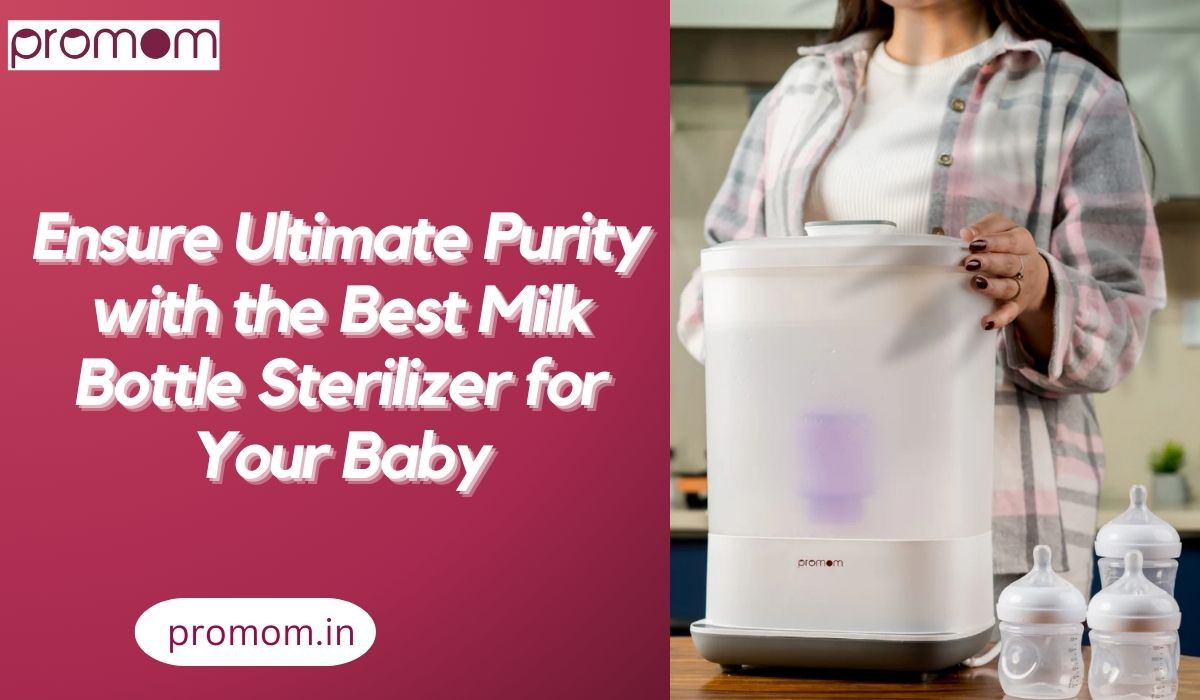
A milk bottle sterilizer is designed to help sanitize feeding bottles and related accessories using methods such as steam. For parents who regularly use feeding bottles, a dedicated sterilizer can simplify an otherwise time-consuming part of the feeding routine. Promom offers baby-care solutions designed to make cleaning, warming, and sterilizing feeding essentials more convenient.
Why Is Bottle Sterilization Important?
Simply washing a feeding bottle removes visible milk residue, but cleaning and sterilization serve different purposes. Milk residue can remain in small areas such as bottle necks, nipples, valves, and caps. Properly cleaning these components before sterilization is therefore an important part of maintaining good feeding hygiene.
Young babies have developing immune systems, so parents often take extra care when preparing and storing feeding equipment. Regular sterilization can provide an additional hygiene step after thorough washing.
A milk bottle sterilizer can be especially useful for parents who use bottles several times throughout the day and want a consistent process for sanitizing multiple components.
How Does a Baby Bottle Sterilizer Work?
Many modern sterilizers use hot steam to sanitize feeding equipment. Water is heated inside the unit, producing steam that circulates around the bottles and accessories placed inside the chamber.
The process generally involves:
Washing bottles and accessories thoroughly.
Adding the recommended amount of water to the sterilizer.
Arranging the clean items according to the manufacturer's instructions.
Starting the sterilization cycle.
Allowing the cycle to complete.
Handling the sterilized items with clean hands or suitable utensils.
Storing them appropriately until required.
Always follow the specific instructions supplied with your sterilizer because operating procedures, water quantities, cycle times, and maximum capacity can differ between models.
Key Features to Look for in a Sterilizer
Choosing a sterilizer involves more than simply looking at its appearance. Consider features that match your baby's feeding routine and the number of bottles you typically use.
1. Suitable Capacity
Parents who use several bottles each day may benefit from a sterilizer with enough internal space for bottles, nipples, caps, and other compatible accessories.
A larger capacity can reduce the number of separate sterilization cycles needed, while a compact model may be more suitable for smaller kitchens or occasional use.
2. Steam Sterilization
Steam-based sterilization is popular because it does not require chemical solutions. The sterilizer uses heated water to produce steam, which reaches the surfaces of the items inside the chamber.
3. Drying Function
After sterilization, moisture can remain on bottles and accessories. A drying function can help reduce the need to manually dry every component.
A feeding bottle sterilizer with dryer can therefore be a practical choice for parents who want to combine sanitization and drying in one appliance.
4. Easy Controls
Baby-care appliances should be straightforward to operate. Simple controls and clearly defined functions can make the sterilization routine easier, especially when parents are managing feeding schedules, household tasks, and childcare simultaneously.
5. Easy Cleaning
The sterilizer itself should also be maintained regularly. Mineral deposits may accumulate over time depending on the water used. Following the manufacturer's cleaning and descaling recommendations can help maintain the appliance.
Sterilizer vs. Traditional Cleaning
Washing feeding bottles with soap and water is essential, but it may not provide the same level of sanitization as a dedicated sterilization process. For parents who want an additional hygiene step, an electric sterilizer can make the routine more consistent.
A sterilizer machine for baby can also save time compared with repeatedly boiling bottles on a stovetop. Instead of monitoring a cooking pot, parents can place cleaned feeding components inside the appliance and follow the manufacturer's recommended cycle.
However, sterilization should not replace proper washing. Bottles and accessories should first be cleaned thoroughly to remove milk residue before being placed inside the sterilizer.
Bottle Warmers and Sterilizers: What Is the Difference?
Parents sometimes compare sterilizers with appliances that combine multiple baby-care functions. A bottle warmer and sterilizer can provide both warming and sanitization functions, which may be useful for families looking to reduce the number of appliances they keep in the kitchen.
A dedicated sterilizer, on the other hand, focuses primarily on sanitizing feeding equipment. The best choice depends on your daily routine, available space, and the functions you actually need.
Using a Sterilizer for Breast Pump Accessories
Mothers who express breast milk may also need to clean and sanitize pump components regularly. Depending on the manufacturer's instructions and whether individual components are compatible with steam sterilization, some pump parts may be placed inside a sterilizer after proper cleaning.
A breast pump sterilizer can be particularly useful for mothers who frequently pump and need a convenient way to manage multiple milk-contact components.
Before placing any breast pump component into a sterilizer, always check the pump manufacturer's instructions. Electronic parts, tubing, motors, and other components may not be suitable for steam or high temperatures.
How to Choose the Best Sterilizer for Your Baby
When researching the best baby bottle sterilizer india, parents should consider practical requirements instead of focusing only on product appearance or price.
Ask yourself:
How many bottles do I use each day?
Do I need a drying function?
How much kitchen counter space is available?
Can the appliance accommodate my bottle sizes?
Are the controls easy to understand?
Is cleaning and descaling straightforward?
Are replacement parts or accessories available?
Does the product come with clear safety and operating instructions?
These questions can help narrow down the options and make the purchasing decision more practical.
Safe Sterilization Practices for Parents
Using a sterilizer correctly is just as important as choosing one. Follow these basic practices:
Wash your hands before handling clean feeding equipment.
Clean bottles and accessories before sterilizing them.
Follow the manufacturer's recommended water quantity.
Do not overload the sterilizer.
Arrange items so steam can circulate properly.
Avoid touching sterilized surfaces unnecessarily.
Allow items to cool before handling if they are hot.
Keep electrical components away from water.
Clean and descale the sterilizer according to the manufacturer's instructions.
Replace damaged bottles, nipples, or accessories when necessary.
Parents should also follow any specific recommendations from their baby's healthcare professional, particularly for premature or medically vulnerable infants.
Why Choose Promom for Baby-Care Essentials?
Promom focuses on practical baby-care products designed to support modern parenting routines. Its product range includes solutions for bottle sterilization, bottle warming, and breastfeeding.
For parents searching for a milk bottle sterilizer, selecting a product with suitable capacity, reliable operation, convenient controls, and easy maintenance can help simplify daily feeding preparation.
A good sterilization routine is not about making baby care complicated. Instead, the right appliance can help parents create a simple and repeatable process for keeping feeding equipment clean and ready for use.
Make Baby Feeding More Convenient with Promom
Managing bottles and feeding accessories can become a significant part of everyday baby care. A dedicated sterilizer can help organize this routine while providing an additional sanitization step after thorough cleaning.
If you are looking for a milk bottle sterilizer that fits your family's feeding routine, explore Promom's baby-care collection and discover products designed with convenience and everyday usability in mind.
CTA: Explore Promom Baby-Care Products Today
Frequently Asked Questions
How often should baby bottles be sterilized?
The appropriate frequency can depend on the baby's age, health circumstances, feeding method, and healthcare guidance. Always follow the bottle and sterilizer manufacturer's instructions and your pediatrician's recommendations where applicable.
Should bottles be washed before sterilization?
Yes. Bottles should generally be washed thoroughly to remove milk residue before being placed in a sterilizer. Sterilization is an additional hygiene step and does not replace cleaning.
Can all bottle materials be sterilized?
Not necessarily. Check whether the bottle, nipple, cap, and other components are heat- and steam-safe before placing them in a sterilizer.
Is drying important after sterilization?
Drying can be convenient because it reduces residual moisture and may make bottles easier to store and prepare for the next feeding. However, the appropriate drying method depends on the equipment and manufacturer's instructions.
Can breast pump parts be sterilized?
Some breast pump parts may be suitable for steam sterilization, but not all components are. Always check the pump manufacturer's care instructions before placing any part into a sterilizer.


Comments
Post a Comment