Breast Pump Sterilizer: A Complete Guide to Safe and Hygienic pump

For breastfeeding mothers, breast pumps can become an important part of everyday life. Whether you pump occasionally, return to work, travel frequently, or express milk regularly, keeping your pump components clean is essential. Milk can come into contact with bottles, valves, breast shields, connectors, and other parts, making proper cleaning and hygiene an important part of the pumping routine.
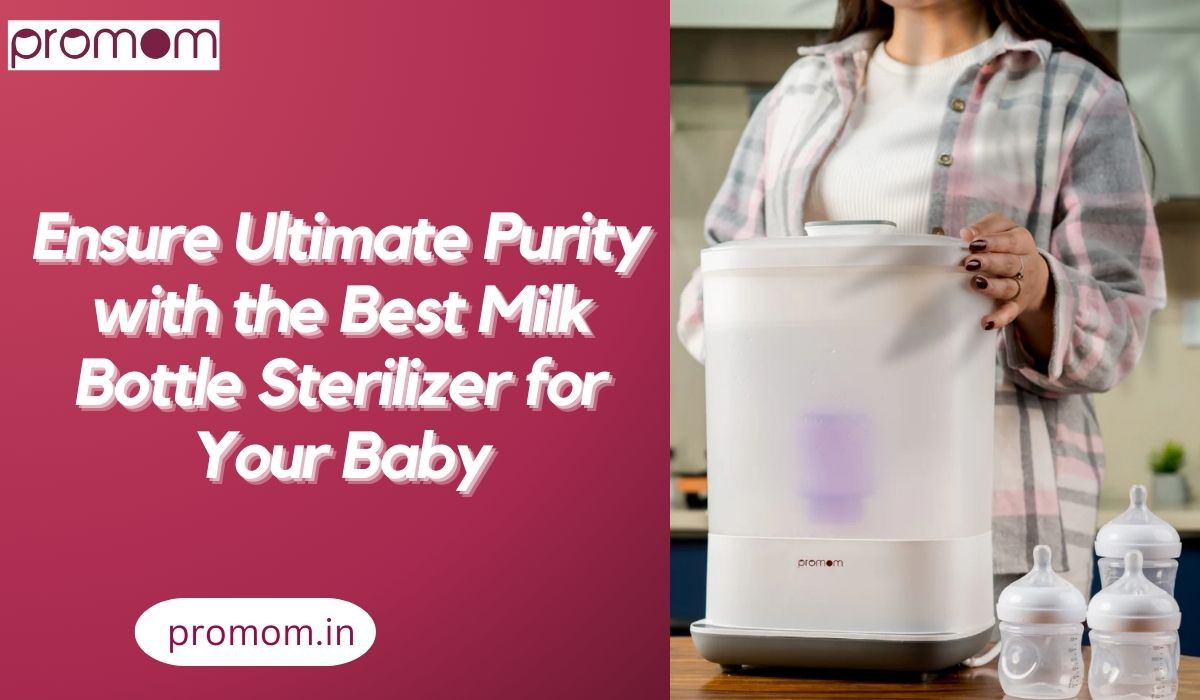
A breast pump sterilizer can provide an additional step after cleaning compatible pump components. Modern sterilization appliances can also be useful for parents who want one convenient solution for managing both breast pump parts and baby feeding equipment.
Promom offers a range of baby-care and breastfeeding products designed to make everyday feeding routines more convenient.
What Is a Breast Pump Sterilizer?
A breast pump sterilizer is an appliance designed to sterilize compatible breast pump components using a method such as steam. Depending on the product, it may also accommodate baby bottles, nipples, caps, and other feeding accessories.
Steam-based sterilization works by heating water to produce steam, which surrounds the items inside the appliance. This exposes compatible components to high temperatures during the selected cycle.
Sterilization should generally be performed after thorough cleaning. Parents should always follow the care instructions provided by the breast pump manufacturer to determine which components are suitable for sterilization.
Why Should Breast Pump Parts Be Sterilized?
Breast pump components can come into direct contact with breast milk. If milk residue remains inside small components, maintaining proper hygiene can become more difficult.
Cleaning removes milk residue and other material from the pump parts. Sterilization can then provide an additional hygiene step for components that are compatible with the sterilization method.
A consistent cleaning and sterilization routine can be especially useful for mothers who pump frequently and need to reuse their equipment throughout the day.
Which Breast Pump Parts Can Be Sterilized?
The components that can be sterilized depend on the pump manufacturer and the material used to make each part.
Common components may include:
Breast shields
Milk collection bottles
Connectors
Valves
Certain membranes
Bottle caps
Other compatible accessories
However, not every component is necessarily suitable for steam or high temperatures. Always check the manufacturer's care instructions before placing a pump part into a sterilizer.
Benefits of Using a Breast Pump Sterilizer
1. Convenient Hygiene Routine
A dedicated sterilizer can make the post-cleaning process more organized. Instead of manually managing each component, compatible parts can be placed into the appliance for the selected cycle.
2. Steam-Based Sterilization
Many electric sterilizers use steam rather than chemical solutions. This can provide a convenient method for parents who prefer steam sterilization for compatible equipment.
3. Useful for Regular Pumping
Mothers who express milk frequently may need to clean pump components several times throughout the day. Having a sterilizer available can make the overall routine easier to manage.
4. Can Accommodate Feeding Equipment
Depending on its design and capacity, a sterilizer may also accommodate bottles and other baby-feeding accessories. This can reduce the need for separate appliances.
5. Organized Storage
Some sterilizers are designed to keep sterilized items contained inside the unit after the cycle. Always follow the manufacturer's instructions regarding storage and how long items can remain inside.
What Features Should You Look For?
Choosing a suitable sterilizer depends on how you pump and what equipment you need to clean.
Capacity
If you use multiple pump parts and bottles each day, consider an appliance with sufficient capacity for your routine. A larger interior may allow you to process several compatible items in one cycle.
Sterilization Method
Steam is a commonly used method in electric baby sterilizers. Check the manufacturer's instructions to understand the sterilization process and compatible materials.
Drying Function
Some models combine sterilization with drying. A feeding bottle sterilizer with dryer can help reduce moisture after the sterilization cycle, which can be convenient for parents who prepare feeding equipment frequently.
Easy Controls
Simple controls can make a sterilizer easier to use, especially when it becomes part of your daily routine. Automated cycles can also reduce the need for constant monitoring.
Safety Features
Look for appropriate safety features such as automatic shut-off where available. Always place the appliance on a stable surface and follow the manufacturer's operating instructions.
Can One Sterilizer Handle Bottles and Pump Parts?
Some sterilizers are designed to accommodate both baby bottles and compatible breast pump components. This can be useful for mothers who pump breast milk and also feed their baby using bottles.
However, capacity and compatibility vary between products. Check the manufacturer's specifications before placing pump parts or bottles inside the appliance.
If you plan to use one appliance for multiple purposes, consider the number of items you need to sterilize and whether they can fit comfortably without overcrowding.
Understanding Bottle Warmer and Sterilizer Functions
A bottle warmer and sterilizer may combine different baby-feeding functions, but warming and sterilization are not the same process.
A bottle warmer is designed to heat milk or a bottle, while sterilization is intended to provide a specific hygiene step for compatible feeding equipment. If you are considering a multifunctional appliance, check the available functions and make sure they suit your everyday requirements.
Choosing a Sterilizer Machine for Baby Care
A sterilizer machine for baby should be selected according to the equipment you use and the routine you follow.
Before purchasing, consider:
The number of bottles and pump parts you use
Appliance capacity
Sterilization method
Drying functionality
Ease of cleaning
Operating controls
Safety features
Compatibility with your equipment
Available counter space
The most suitable option is one that fits your routine rather than simply having the largest number of features.
How to Clean Breast Pump Parts Before Sterilization
Sterilization should not replace cleaning. Follow these general steps while also following the pump manufacturer's specific instructions.
Wash your hands before handling pump components.
Disassemble the pump after use.
Rinse milk-contact components to remove residue.
Wash each compatible component thoroughly.
Check parts for cracks, discoloration, or damage.
Place only compatible cleaned components into the sterilizer.
Run the recommended sterilization cycle.
Allow components to dry according to the appliance instructions.
Store clean equipment in a hygienic location.
Replace damaged components according to the manufacturer's recommendations.
Why Choose Promom?
Promom offers breastfeeding and baby-feeding products designed to support the needs of modern parents. Its product range includes sterilization solutions that can help simplify the cleaning and preparation of bottles and compatible accessories.
For mothers who regularly use breast pumps, choosing a breast pump sterilizer that fits their equipment, space, and daily schedule can make routine hygiene more convenient.
Before purchasing, consider how often you pump, how many components you need to sterilize, whether you also use feeding bottles, and whether you would benefit from a drying function.
Final Thoughts
Keeping breast pump components clean and hygienic is an important part of a regular pumping routine. A breast pump sterilizer can provide an additional sterilization step after thorough cleaning and can be particularly useful for mothers who pump frequently.
When selecting a sterilizer, consider capacity, sterilization method, compatibility, drying functionality, ease of operation, and safety features. Always follow the instructions provided by both the breast pump and sterilizer manufacturers.
With the right equipment and a consistent cleaning routine, managing breast pump parts can become a simpler and more organized part of everyday breastfeeding.


Comments
Post a Comment